

Tensions in the South China Sea Involving China and Nearby Nations
The South China Sea has become one of the most strategically important and disputed regions in the world. Stretching across vital shipping lanes and rich natural resources, this area has been the center of growing geopolitical tensions, particularly involving China and several neighboring countries. Over the past decade, territorial disputes, military activities, and diplomatic confrontations have intensified, making the South China Sea a major global security concern.
Strategic Importance of the South China Sea
The South China Sea is one of the busiest maritime trade routes in the world. A significant portion of global trade passes through this region every year, connecting economies in Asia, Europe, and the Americas. The sea is also believed to contain substantial reserves of oil and natural gas, making it economically valuable for the countries that border it.
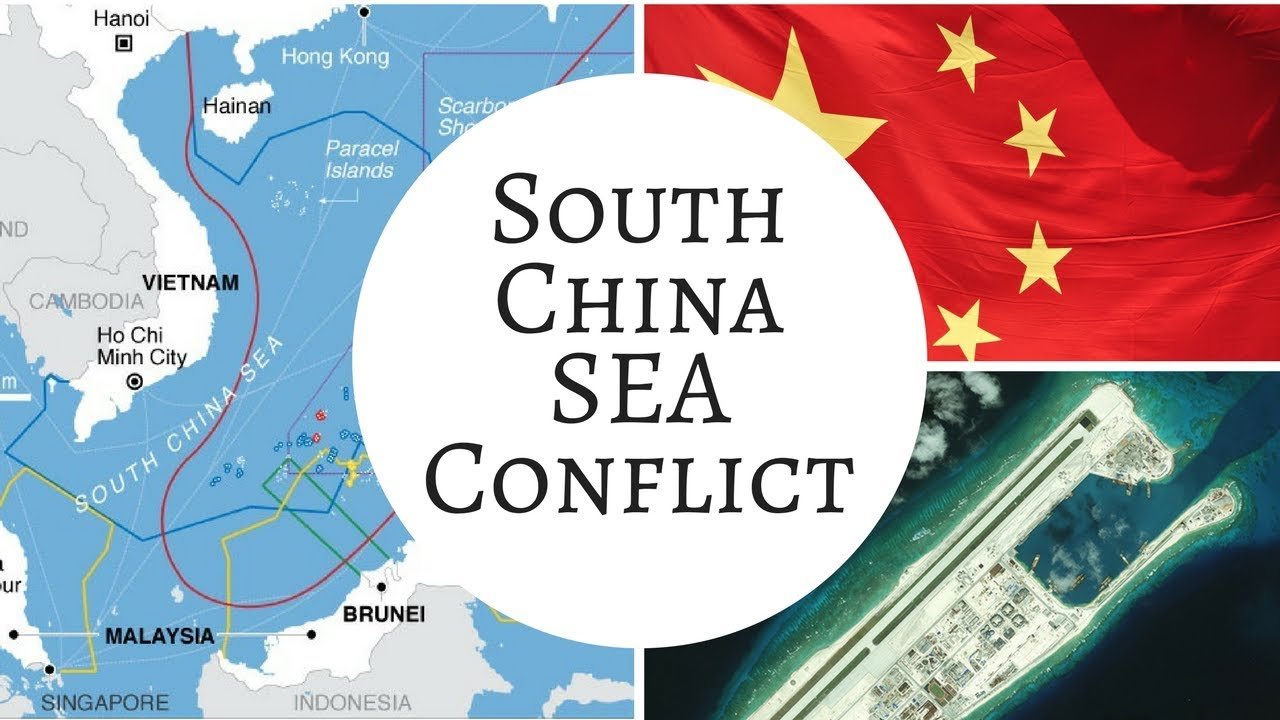
Several nations claim parts of the South China Sea, including Vietnam, Philippines, Malaysia, and Brunei. However, China claims the majority of the sea based on what it calls its historical rights, often illustrated by the “nine-dash line” map. These overlapping claims have led to disputes over islands, reefs, and maritime boundaries.
Territorial Disputes and Key Islands
Several island groups in the South China Sea are at the center of territorial conflicts. Among the most contested are the Spratly Islands and the Paracel Islands. These small islands and reefs may appear insignificant, but they are strategically important because control over them can extend a country’s maritime boundaries and access to natural resources.
China has established a significant presence in some of these areas by building artificial islands and installing military facilities such as airstrips, radar systems, and missile platforms. These developments have raised concerns among neighboring countries, which argue that such actions increase the risk of conflict and undermine regional stability.
Increasing Military Presence
Military activity in the South China Sea has increased dramatically in recent years. China has expanded its naval patrols and strengthened its military infrastructure on disputed islands. These moves are viewed by many neighboring nations as attempts to assert control over contested waters.
Other countries have also stepped up their defense measures. The Philippines and Vietnam, for example, have increased maritime patrols and strengthened their naval capabilities. These countries argue that they are protecting their sovereign rights and economic zones.
In addition to regional actors, external powers have become involved in the situation. The United States regularly conducts “freedom of navigation” operations in the South China Sea to challenge what it considers excessive territorial claims. These operations involve naval vessels sailing through disputed waters to demonstrate that the sea lanes remain open for international navigation.
Diplomatic and Legal Disputes
Diplomatic efforts have attempted to manage tensions in the region, but progress has often been slow. Several countries have sought legal solutions through international courts and negotiations. A significant moment occurred in 2016 when an international arbitration tribunal ruled that China’s extensive claims in the South China Sea had no legal basis under international law.
However, China rejected the ruling and continued to maintain its territorial claims. This disagreement has complicated diplomatic relations and increased tensions between China and several Southeast Asian nations.
Regional organizations such as Association of Southeast Asian Nations have worked to promote dialogue and peaceful resolution. Efforts have also been made to establish a “Code of Conduct” for activities in the South China Sea to reduce the risk of military confrontations. Despite these initiatives, disagreements over sovereignty and maritime rights remain unresolved.
Economic and Environmental Concerns
Beyond political and military tensions, disputes in the South China Sea have significant economic and environmental implications. Fishing is a major source of livelihood for many coastal communities in Southeast Asia. Conflicts over fishing rights have occasionally led to clashes between fishing vessels and coast guards.
Additionally, the construction of artificial islands and increased industrial activity have raised concerns about environmental damage. Coral reefs and marine ecosystems in the region are particularly vulnerable to large-scale construction and overfishing.
Energy exploration is another factor driving tensions. Countries in the region are eager to access potential oil and gas reserves beneath the seabed. However, overlapping territorial claims often make it difficult to carry out exploration projects without triggering diplomatic disputes.
Global Implications
The tensions in the South China Sea are not just a regional issue; they have global consequences. Because so much international trade passes through these waters, any disruption could impact the global economy. Shipping routes, energy supplies, and international markets could all be affected by instability in the region.
The situation also reflects broader geopolitical competition. The rivalry between major powers, particularly China and the United States, plays a role in shaping the dynamics of the conflict. Military exercises, alliances, and strategic partnerships have all become part of the broader effort to maintain influence in the region.