

Ongoing Humanitarian Crisis from the Syrian Civil War
The Syrian Civil War has created one of the most severe humanitarian crises in modern history. Since the conflict began in 2011 in Syria, millions of people have been displaced, thousands of lives have been lost, and entire cities have been devastated. Despite years of international attention and diplomatic efforts, the humanitarian situation remains dire for millions of Syrians who continue to struggle with poverty, displacement, and limited access to basic necessities.
Origins of the Conflict
The Syrian civil war began during the wave of protests known as the Arab Spring. Demonstrations against the government of Bashar al‑Assad started as peaceful protests demanding political reforms and greater freedoms. However, the government’s response with military force escalated tensions and turned the protests into an armed conflict.
Over time, the war grew increasingly complex as various armed groups, foreign governments, and extremist organizations became involved. What began as a domestic uprising transformed into a multifaceted conflict involving regional and global powers, making it more difficult to reach a lasting political solution.
Massive Displacement of Civilians
One of the most devastating consequences of the Syrian civil war has been the displacement of millions of civilians. According to international humanitarian organizations, more than half of Syria’s population has been forced to leave their homes since the conflict began.
Many Syrians have sought refuge in neighboring countries such as Turkey, Lebanon, and Jordan. These nations have hosted millions of refugees, placing significant pressure on their resources and infrastructure. At the same time, large numbers of displaced people remain inside Syria, living in temporary shelters or camps with limited access to essential services.
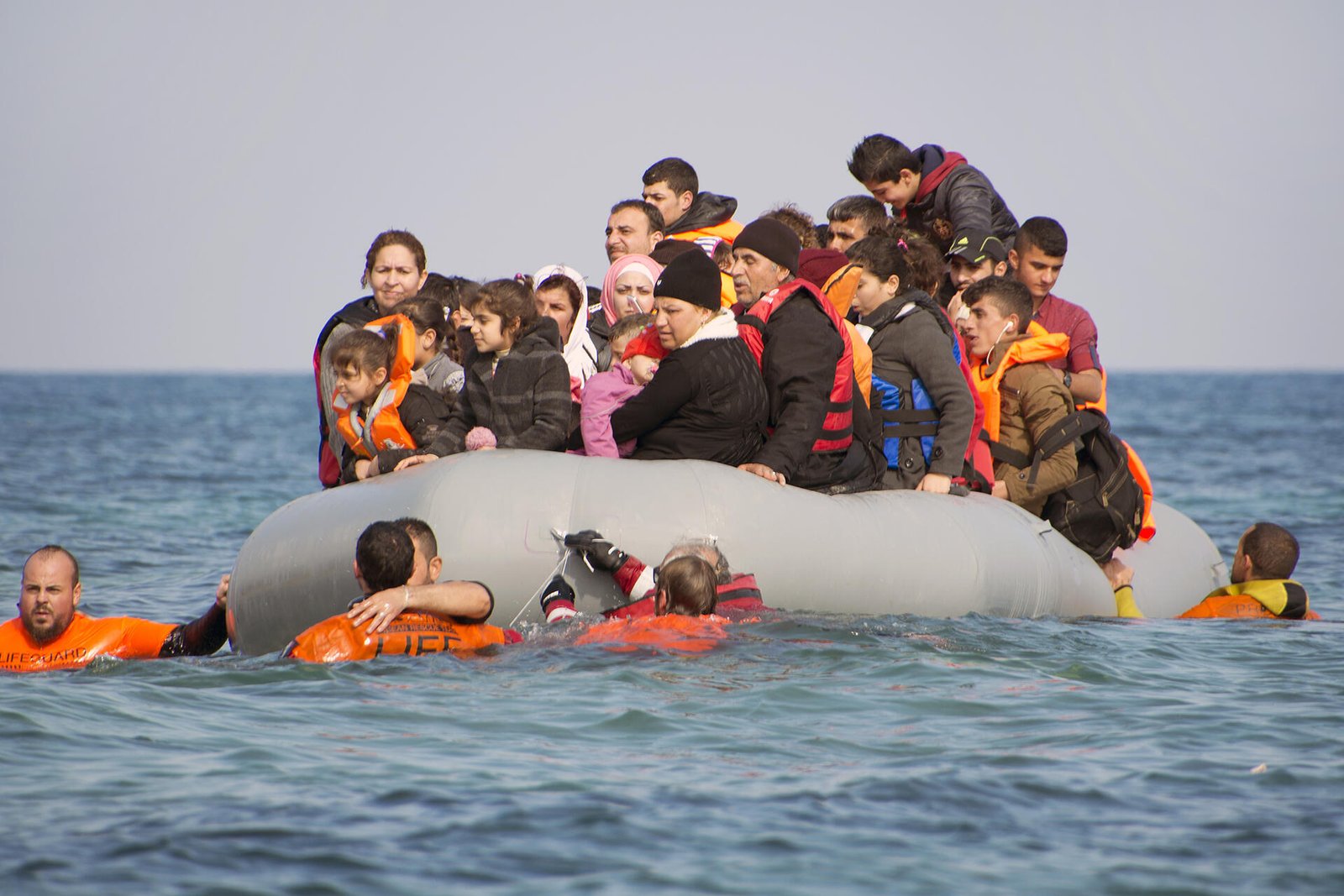
The displacement crisis has also extended beyond the Middle East, as thousands of Syrians have attempted dangerous journeys to reach safety in Europe. These migrations have shaped international debates on refugee policies and humanitarian responsibility.
Destruction of Infrastructure and Cities
Years of fighting have caused widespread destruction across Syria. Major cities such as Aleppo, Homs, and Raqqa have suffered extensive damage from airstrikes, artillery fire, and ground battles.
Hospitals, schools, and residential neighborhoods have been severely affected, leaving communities without basic services. The destruction of infrastructure has made it extremely difficult for displaced populations to return home or rebuild their lives. Many families remain dependent on humanitarian aid for food, shelter, and medical care.
Reconstruction efforts have been slow due to ongoing instability, economic challenges, and international sanctions. As a result, large parts of the country remain in ruins even years after major battles ended in certain regions.
Food Insecurity and Economic Hardship
The humanitarian crisis in Syria is not limited to physical destruction. The war has also devastated the country’s economy, creating widespread poverty and food insecurity. Agricultural production has been disrupted, supply chains have been damaged, and inflation has made basic goods unaffordable for many families.
Millions of Syrians rely on assistance from international organizations to meet their daily needs. Aid agencies distribute food, medical supplies, and other essential resources to vulnerable communities. However, delivering humanitarian aid has often been complicated by ongoing fighting, political restrictions, and damaged transportation networks.
The economic collapse has also affected employment opportunities. Many people who once had stable livelihoods have lost their jobs and now struggle to support their families.
Impact on Children and Education
Children are among the most affected victims of the Syrian civil war. Millions of young Syrians have grown up in a war environment, experiencing displacement, trauma, and limited access to education.
Thousands of schools have been destroyed or repurposed as shelters for displaced families. As a result, many children have missed years of schooling. This disruption to education threatens to create a “lost generation” that may struggle to rebuild the country in the future.
Humanitarian organizations have attempted to address this problem by establishing temporary learning centers and providing psychological support for children who have experienced the trauma of war. However, the scale of the crisis makes it difficult to meet the needs of all affected communities.
Role of International Humanitarian Organizations
International organizations have played a critical role in responding to the humanitarian crisis in Syria. Agencies such as the United Nations and the World Food Programme provide essential assistance to millions of people across the country and in refugee camps abroad.
These organizations deliver food aid, medical supplies, clean water, and shelter to communities affected by the conflict. They also support vaccination campaigns and healthcare services to prevent disease outbreaks in overcrowded refugee camps.
Despite these efforts, humanitarian agencies face numerous challenges, including limited funding, security risks, and restricted access to certain areas. The scale of the crisis means that humanitarian assistance alone cannot fully resolve the suffering caused by the war.
Prospects for Recovery
While some areas of Syria have seen reduced levels of fighting in recent years, the humanitarian crisis remains far from over. Millions of displaced Syrians still lack safe housing, stable income, and access to education and healthcare.
Long-term recovery will require political stability, economic reconstruction, and sustained international support. Without these elements, many Syrians may continue to face hardship for years to come.
The ongoing humanitarian crisis resulting from the Syrian civil war serves as a reminder of the devastating impact of prolonged conflict on civilian populations. Addressing the needs of millions of affected people will remain a major challenge for the global community as efforts continue to seek peace and stability in Syria.