

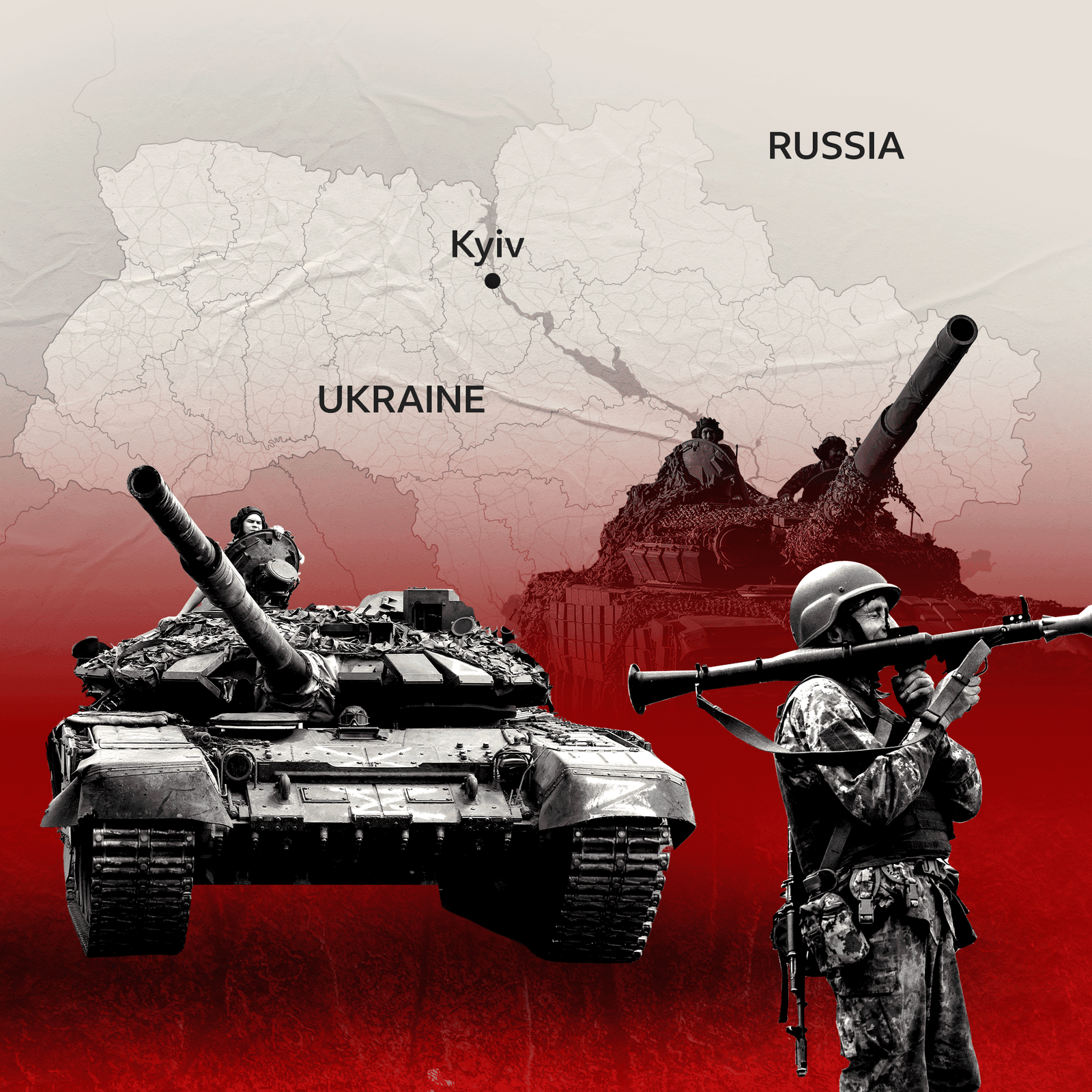
Military Developments in the Russia–Ukraine War
The ongoing Russia–Ukraine War remains one of the most significant geopolitical conflicts of the 21st century. Since the large-scale invasion launched by Russia in February 2022, the war has reshaped military strategies, alliances, and global security discussions. The conflict between Russia and Ukraine continues to evolve as both sides adapt their tactics, deploy new weapons, and seek strategic advantages on the battlefield.
Background of the Conflict
The roots of the war stretch back to 2014 when Russia annexed Crimea and conflict erupted in eastern Ukraine’s Donbas region. Tensions escalated dramatically in 2022 when Russian forces launched a full-scale invasion across multiple fronts. Ukraine responded with widespread mobilization and received extensive military and economic support from Western allies, including the United States and member states of NATO.
Over time, the war has turned into a prolonged conflict marked by trench warfare, drone operations, missile strikes, and artillery battles. Military developments on both sides have significantly influenced the course of the war.
Evolution of Battlefield Strategies
In the early phase of the invasion, Russian forces attempted rapid advances toward major Ukrainian cities, including Kyiv. However, strong Ukrainian resistance and logistical challenges forced Russia to withdraw from northern areas and refocus on eastern and southern regions.
Ukraine’s military strategy evolved into a combination of defensive operations and targeted counteroffensives. Ukrainian forces sought to reclaim occupied territories while disrupting Russian supply lines using precision weapons and long-range attacks.
Meanwhile, Russia adapted its tactics by strengthening defensive positions in occupied regions and increasing artillery and missile strikes on Ukrainian infrastructure. The conflict has increasingly become a war of attrition, where both sides attempt to exhaust the other’s resources and manpower.
Role of Advanced Military Technology
One of the defining features of the Russia–Ukraine war has been the extensive use of modern military technology. Drones have become a crucial tool for surveillance, reconnaissance, and targeted attacks. Both sides deploy unmanned aerial vehicles to gather intelligence and strike enemy positions.
Long-range missile systems and advanced air defense systems have also played an important role. Ukraine has used Western-supplied weapons to strike strategic targets and protect its cities from missile attacks. Russia, on the other hand, has launched repeated missile and drone barrages aimed at weakening Ukraine’s energy infrastructure and military capabilities.
Cyber warfare has also emerged as a critical aspect of the conflict. Both countries have experienced cyberattacks targeting government systems, infrastructure, and communication networks. These digital operations demonstrate how modern warfare increasingly extends beyond traditional battlefields.
Changing Frontlines and Territorial Control
The frontlines of the war have shifted multiple times since the beginning of the conflict. Ukraine achieved significant gains during counteroffensives in 2022, reclaiming territories in the northeast and south. These operations boosted morale within Ukraine and demonstrated the effectiveness of Western-supplied weapons and coordinated military planning.
However, fighting remains intense in eastern regions, where Russian forces continue to push forward in certain areas. Heavy artillery duels and close-quarters combat characterize the battles across the frontlines. Control over strategic towns and transportation routes often determines the pace and direction of military operations.
The conflict has also involved attacks far from the frontlines. Both sides have targeted military bases, supply depots, and infrastructure deep within enemy territory, expanding the scope of the war beyond the immediate battlefield.
International Military Support
International support has played a major role in Ukraine’s ability to sustain its defense. Several countries have provided weapons, training, intelligence, and financial assistance to help Ukraine resist the invasion.
The United States and European allies have supplied a range of military equipment, including air defense systems, armored vehicles, and artillery. Training programs for Ukrainian troops have also taken place in various NATO countries, strengthening Ukraine’s military capabilities.
Russia, meanwhile, has increased its own defense production and sought military cooperation with certain partners to maintain its operational capacity. Both sides continue to rely on domestic and international resources to sustain long-term military efforts.
Humanitarian and Strategic Implications
The military developments in the Russia–Ukraine war have had profound humanitarian consequences. Millions of civilians have been displaced, and many cities have suffered significant damage. The war has also disrupted global energy markets, food supply chains, and international trade.
Strategically, the conflict has reshaped security policies across Europe. Several countries have increased defense spending and strengthened military cooperation in response to perceived security threats. The war has also reinforced the importance of alliances and collective defense structures.
Future Outlook
As the conflict continues, military analysts believe the war could remain prolonged unless a significant breakthrough occurs on the battlefield or diplomatic negotiations gain momentum. Both Russia and Ukraine continue to invest heavily in their military capabilities, suggesting that the struggle for territorial control and strategic advantage is far from over.
The Russia–Ukraine war has become a defining geopolitical event with far-reaching consequences for global security. Its military developments highlight the evolving nature of modern warfare, where technology, alliances, and resilience play decisive roles in shaping the outcome of conflicts.