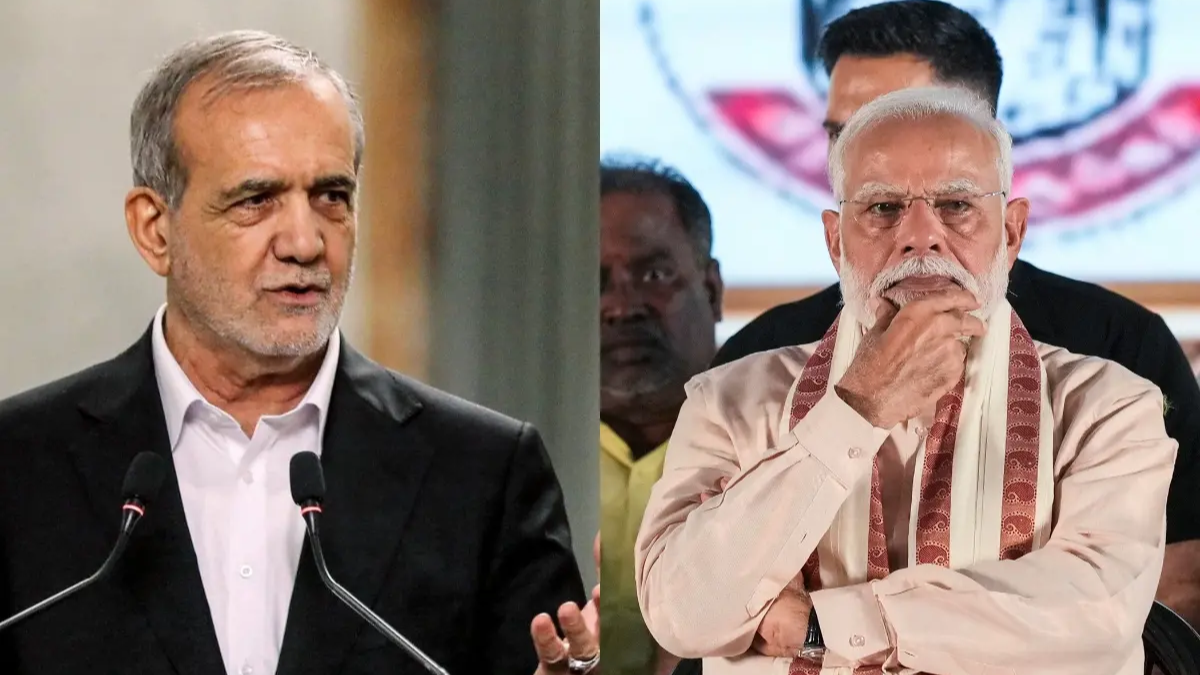
As tensions continue to rise in the Middle East, Narendra Modi spoke over the phone with Masoud Pezeshkian, the President of Iran, to discuss the worsening situation in the region and the need to ensure the safe movement of goods and energy supplies. The conversation comes at a time when the ongoing conflict has sparked global concerns about possible disruptions to major shipping routes and energy markets.
During the call, Modi expressed serious concern about the increasing violence and instability across the region. He stressed the importance of keeping vital maritime routes secure and ensuring uninterrupted energy supplies, which are crucial not just for India but also for the stability of the global economy. Officials said the prime minister also raised the issue of the safety of Indian citizens living and working in the region, particularly the large number residing in Gulf countries.
The ongoing conflict has already begun affecting key energy infrastructure and shipping routes in the region. Attacks on vessels and critical facilities, along with the growing risk of disruption in the strategic Strait of Hormuz, have heightened fears of major supply interruptions. The narrow waterway is one of the world’s most important oil transit routes, through which a significant share of global crude shipments passes. Any prolonged disruption there could have a major impact on international oil prices and global supply chains.
For India, developments in the region are particularly significant. The country depends heavily on imported crude oil to meet its energy needs, and a large share of those imports passes through the Gulf region. This makes stability in maritime routes critical for India’s economic security. As a result, ensuring the safe passage of commercial vessels carrying oil, gas and other goods has become an important diplomatic priority for New Delhi.